
Starting a business doesn’t always require a large investment or a fancy office. Sometimes, all it takes is an idea that solves a problem, a little creativity, and the courage to begin. Across India, a wave of small entrepreneurs is proving that with smart planning and consistency, even modest ventures can become profitable.
India’s growing digital economy, strong e-commerce networks, and government initiatives for small businesses have made entrepreneurship more accessible than ever before. Whether you’re a student looking for independence, a homemaker seeking a new source of income, or a professional exploring a side venture, there are plenty of low-investment ideas to start today.
Here are five practical, proven, and profitable business ideas that don’t demand heavy funding — just focus, effort, and a little imagination.
1. Homemade Food and Tiffin Services
In India’s cities, countless working professionals and students depend on outside food every day. Yet, the demand for simple, healthy, and home-style meals remains constant. That’s where a homemade food or tiffin service fits perfectly.
With basic kitchen equipment and good hygiene, you can start small — catering to offices, hostels, or neighborhoods. Promoting through WhatsApp groups, Instagram, or local delivery apps can help you reach regular customers quickly.
Offering regional cuisines or healthy meal options, such as millet rotis or low-oil curries, can make your business stand out. Over time, you can expand into catering, festive meal boxes, or corporate lunch plans.
2. Handmade Crafts and Lifestyle Products
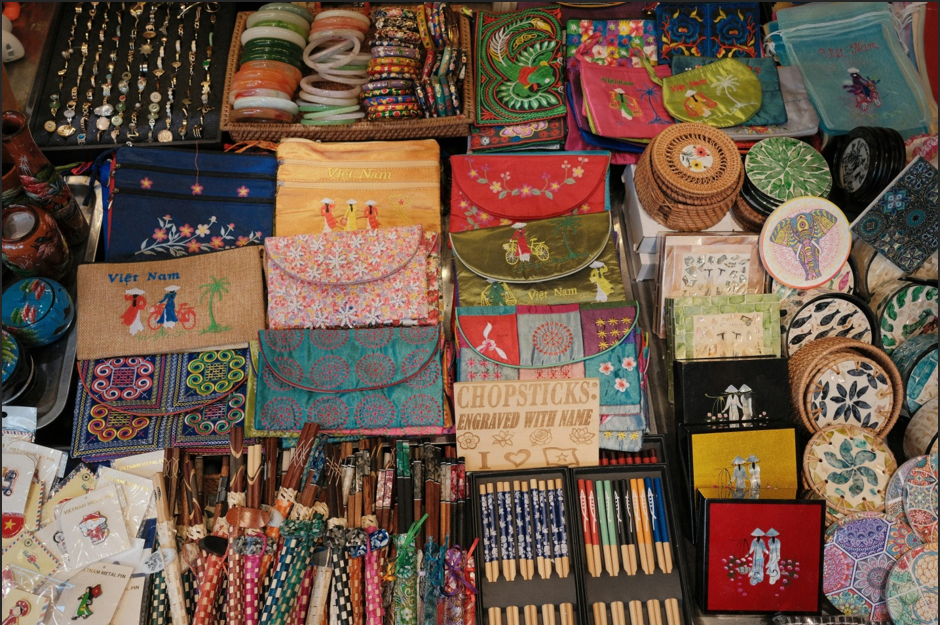
The global shift toward sustainable living has made handmade products more desirable than ever. From candles and soaps to jewelry, stationery, and home décor, handcrafted items appeal to consumers who value creativity and eco-friendliness.
Starting small from home, you can create products using easily available raw materials. Selling through online marketplaces like Meesho, Etsy, or your own Instagram page allows you to reach national and even international buyers.
Presentation plays a key role here — attractive packaging and storytelling about your process can help you build a strong brand identity. With time, your hobby can turn into a full-fledged craft brand.
3. Homemade and Small-Scale Manufacturing
Small-scale manufacturing is one of the most promising low-investment business categories in India. With local sourcing and basic machinery, you can start manufacturing simple, in-demand products from your home or a small workspace.
Popular options include making candles, papads, agarbatti (incense sticks), pickles, reusable cloth bags, or herbal beauty products. These items have consistent demand in both urban and rural markets.
By selling directly to local stores or through e-commerce platforms like Amazon Karigar or Flipkart Samarth, you can reach a wide customer base. Start with limited production, focus on quality, and gradually scale as orders grow.
This model not only supports self-employment but can also create small jobs in your community, making it both profitable and socially impactful.
4. Reselling and Affiliate Marketing
The digital marketplace has opened doors for entrepreneurs who want to start with minimal investment. In reselling, you purchase or list products from wholesalers and earn a margin on each sale. In affiliate marketing, you promote other brands’ products online and earn a commission for every sale made through your unique link.
You can choose niches like fashion, home décor, or electronics and promote products on social media, YouTube, or your personal blog. The key is authenticity — review products you genuinely trust and engage with your audience.
Over time, this can turn into a strong income source while helping others make informed buying decisions.
5. Urban Gardening and Organic Products
As people grow more health-conscious, there’s a rising interest in organic food and home gardening. You can start a small business selling gardening kits, organic seeds, compost, and indoor plants.
Collaborate with local nurseries or farmers to create simple “grow your own” kits for vegetables or herbs. With a little creativity, you can package these as eco-friendly lifestyle products for urban homes.
Social media marketing and weekend exhibitions are great ways to promote your products. This business is not only profitable but also contributes positively to sustainability and wellness trends.
India’s Small Business Revolution
According to data from the Ministry of MSME, small and micro enterprises are among the fastest-growing sectors in India, contributing nearly 30 percent to the country’s GDP. Digital payments, online marketplaces, and government schemes have made it easier for anyone with ambition to start a business, no matter how small.
Experts believe the next decade will belong to small entrepreneurs who can merge creativity with practicality.