In an age dominated by fast fashion and mass production, the charm of handcrafted sarees continues to shine as a symbol of India’s timeless artistry. Every thread, every motif, and every weave tells a story — not just of fabric and color, but of tradition, patience, and human touch. The handcrafted saree is not merely a garment; it is an heirloom that carries the soul of Indian craftsmanship from one generation to the next.
Across the country, from the looms of Banaras and Kanchipuram to the weaving clusters of Bengal and Odisha, thousands of artisans keep India’s textile heritage alive. Yet, as the world races toward mechanization, these weavers stand as quiet custodians of a centuries-old art form that values creativity over speed and meaning over mass production.
A Legacy Woven in Tradition
The story of the handcrafted saree begins at the loom, where skill and devotion meet. Each region in India has its signature weave — Banarasi silk with its intricate zari work, Kanchipuram’s vibrant temple borders, Paithani’s peacock motifs, and the delicate jamdani patterns of Bengal. What unites them all is the artistry and emotion poured into every thread.
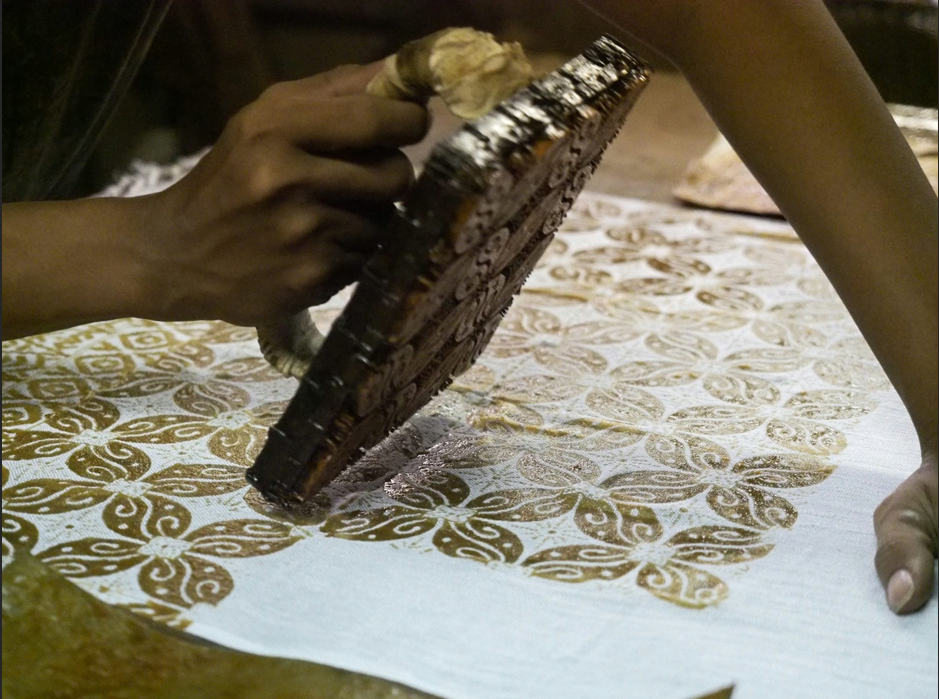
For most weavers, the craft is not just a profession but a part of their identity. A single saree can take days or even weeks to complete. The process involves preparing the yarn, dyeing it with natural colors, setting up the loom, and weaving each motif with precision. Every design carries a piece of history — a technique handed down through generations, often taught from parent to child.
Sustainability in Every Thread
In today’s fashion landscape, sustainability is no longer a trend but a necessity. Handcrafted sarees are inherently sustainable — made with natural fibers like silk, cotton, and linen, and often dyed using organic or plant-based colors. Unlike synthetic garments, they are biodegradable and have a low environmental footprint.
Moreover, handcrafted sarees support local economies. When you buy a handwoven piece, you are directly contributing to the livelihood of rural artisans who depend on this skill for survival. The revival of handloom is not just about fashion; it is about preserving an ecosystem where culture, art, and economy intertwine.
The Emotional Value of Handcrafted Luxury
The beauty of a handwoven saree lies not only in its appearance but also in its story. Each irregularity, each tiny imperfection, is a mark of authenticity — proof that it was made by human hands, not machines. This emotional value gives handcrafted sarees a charm that no factory-made outfit can replicate.
Many young designers today are embracing this slow fashion movement. They collaborate directly with weavers, bringing contemporary color palettes and designs while maintaining traditional techniques. This fusion of old and new has helped handcrafted sarees make a strong comeback among millennials and global buyers who value authenticity.
Beyond Fashion: A Cultural Expression
A saree is more than fabric draped around the body — it’s an expression of identity and emotion. For weddings, festivals, or everyday elegance, Indian women have always turned to sarees as a statement of grace. In recent years, men too have joined the movement, proudly wearing handwoven stoles and traditional drapes.
In states like Tamil Nadu, Andhra Pradesh, and West Bengal, local weaving clusters are being recognized as cultural landmarks. Government initiatives and design institutes are helping artisans upgrade techniques, market their products online, and reach international audiences. This renewed attention has turned handcrafted sarees into global symbols of slow luxury.
Preserving an Art, Empowering Lives
Despite the resurgence, challenges remain. Many weavers still struggle with inconsistent demand and limited access to modern markets. Younger generations often move away from the profession due to lack of financial stability. Experts believe that more awareness, fair pricing, and collaboration with fashion brands are essential to safeguard the future of this art.
“Handloom weaving is more than craft — it’s culture in motion,” says textile historian Meera Iyer. “Every time someone wears a handcrafted saree, they are keeping centuries of heritage alive.”
A Fabric of Time and Soul
As the fashion world rediscovers the value of authenticity, handcrafted sarees stand as a quiet reminder of what true luxury means — artistry, effort, and emotion. In a single piece of fabric lies the rhythm of the loom, the touch of the artisan, and the beauty of patience.