LifeNamma Desk | Current Affairs |
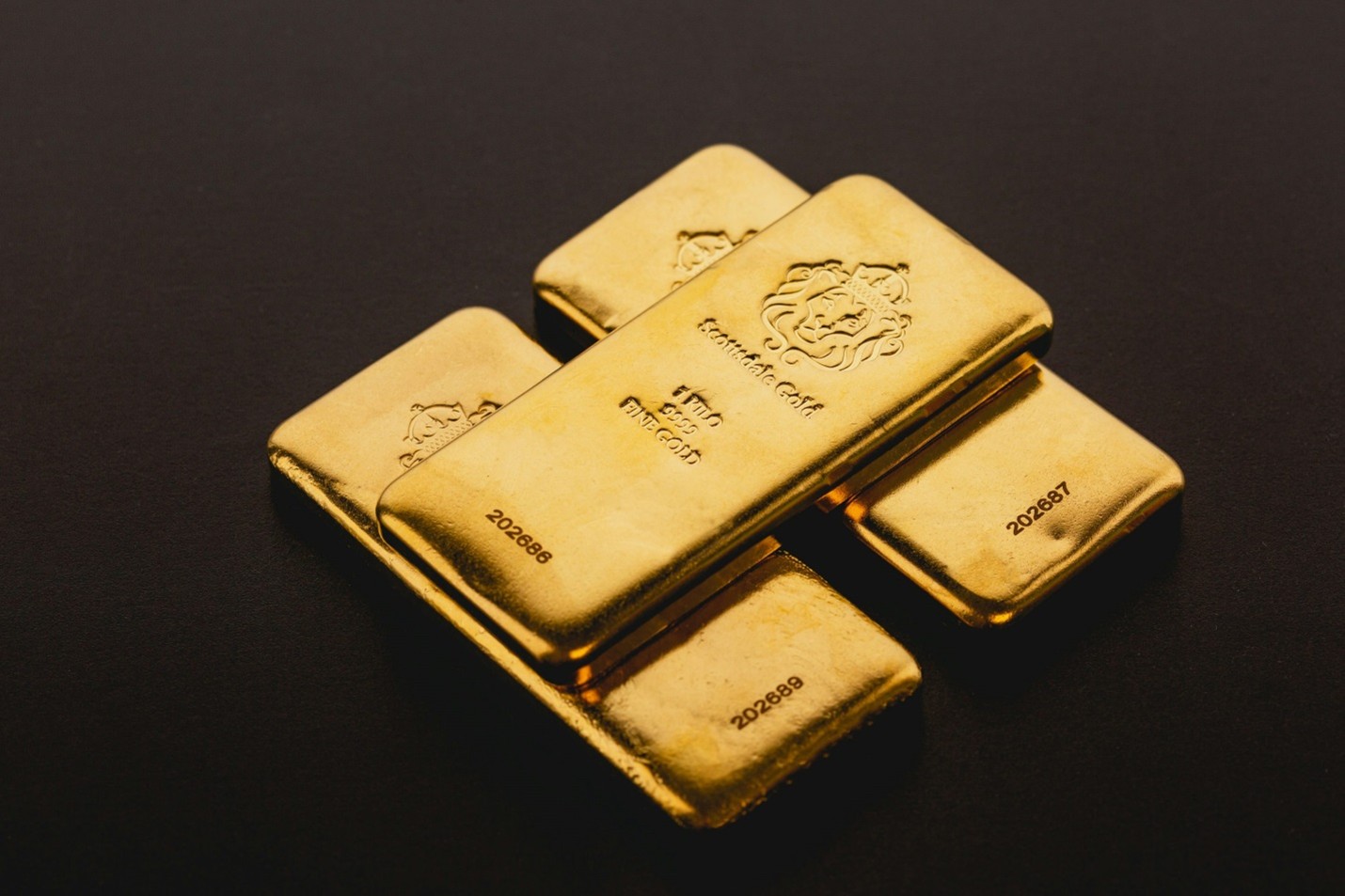
In recent weeks, gold has shaken off its reputation as an unsinkable safe-haven asset in India. Prices that had shot to record highs are now correcting sharply, leaving many investors wondering whether the fall signals a temporary dip or a structural shift in the precious-metal market.
The Price Drop & What’s Driving It
Data shows that gold prices on India’s Multi Commodity Exchange (MCX) slipped by over 7 % in November’s early phase, with spot gold for 999 purity dropping from around ₹12,958 per gram mid-October to about ₹11,916 per gram by the end of the month. Major factors cited include easing global trade tensions — especially between the U.S. and China — and heightened expectations of central-bank rate stability abroad.
One report noted gold had fallen almost ₹12,700 per 10 grams from its recent peak, marking nearly a 10% correction for the yellow-metal segment in India.Meanwhile, some analysts warn the metal may still face further short-term downside, suggesting the rally may have run its course for now.
Why Investors Should Care
For Indian investors, such corrections matter on multiple fronts. First, gold is deeply embedded in Indian savings culture — as jewellery, coins, bars, and more recently, ETFs and sovereign bonds. The fall in price impacts not only those who buy for investment but also households and businesses in the gold-ecosystem (jewellers, refiners, lenders).
Second, with interest rates, inflation and currency movements all in flux, gold’s role as a hedging tool is being tested. For instance, a stronger Indian rupee or the perception of improving global growth can reduce gold’s safe-haven appeal — a trend visible in the recent drop.
Strategic Implications for Investors
So, what should an investor do now? Experts offer a range of views:
- Avoid panic selling: Although the correction is steep, many analysts still regard gold as a long-term hedge. A sudden drop might be a buying opportunity for those with longer-term horizons.
- Review allocation: If your portfolio has heavy exposure to gold (via jewellery, bars or gold-ETFs), now might be a good moment to rebalance and evaluate whether your mix aligns with your long-term goals.
- Choose form carefully: Physical gold (especially jewellery) has additional costs: making charges, GST, storage, and security. Compared to investment-oriented forms like sovereign gold bonds or ETFs, the cost-benefit differs.
- Monitor global cues: Gold’s move is increasingly driven by global factors — U.S. interest-rate policy, dollar strength, trade developments — more than domestic jewellery demand. For example, improving U.S.-China trade sentiment has recently dampened gold’s rally.
Broader Market & Demand Trends
The correction in gold comes at a time when India’s jewellery-demand is facing headwinds. A report by World Gold Council (WGC) indicated that India’s gold consumption may hit a five-year low in 2025, with jewellery demand falling while investment demand marginally rose.
Meanwhile, gold ETFs and other investment vehicles are gaining ground. With physical-gold demand weakening, educated investors are increasingly turning to digital modes of gold exposure — a structural shift in India’s gold market.
For India’s savers and investors, the current gold correction is a reminder: no asset is entirely risk-free, and traditional safe havens can fall when global dynamics shift. But at the same time, gold’s appeal as a long-term hedge remains intact — especially in volatile times.