India’s automobile industry has always been more than just about vehicles — it’s a reflection of the country’s aspirations, lifestyle, and innovation. In 2025, this sector is undergoing a massive transformation. From electric mobility and connected cars to changing consumer preferences and sustainable innovation, India’s automobile market is driving toward a smarter and greener future.
The post-pandemic years have reshaped the way Indians buy, drive, and think about vehicles. People are looking for value, convenience, and technology — all rolled into one. With over 4 million vehicles sold annually and rising urban mobility needs, India continues to be one of the fastest-growing automobile markets in the world. But what makes 2025 different is how consumer behavior is redefining what success looks like for automakers.
1. The Electric Revolution Is Here
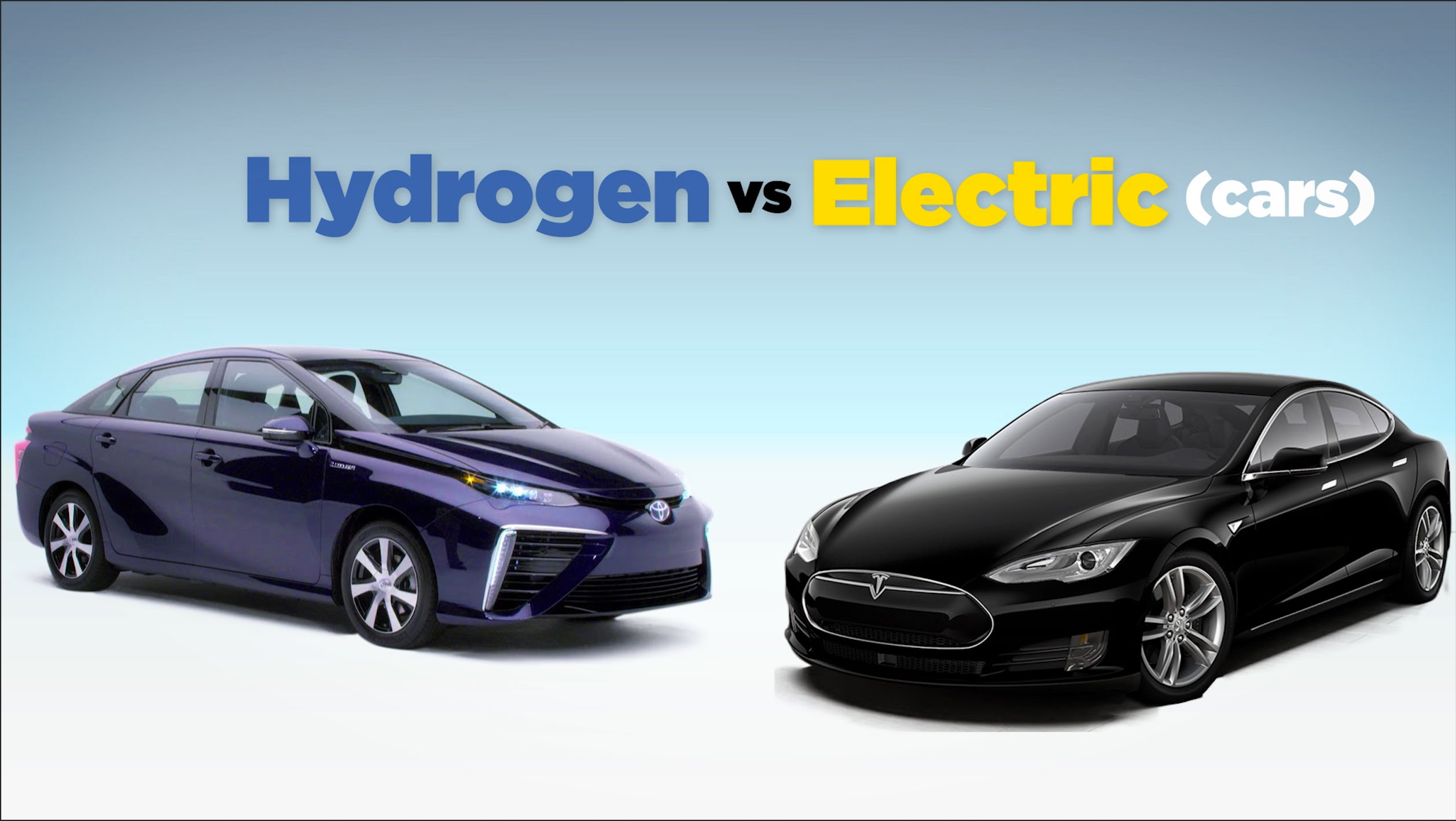
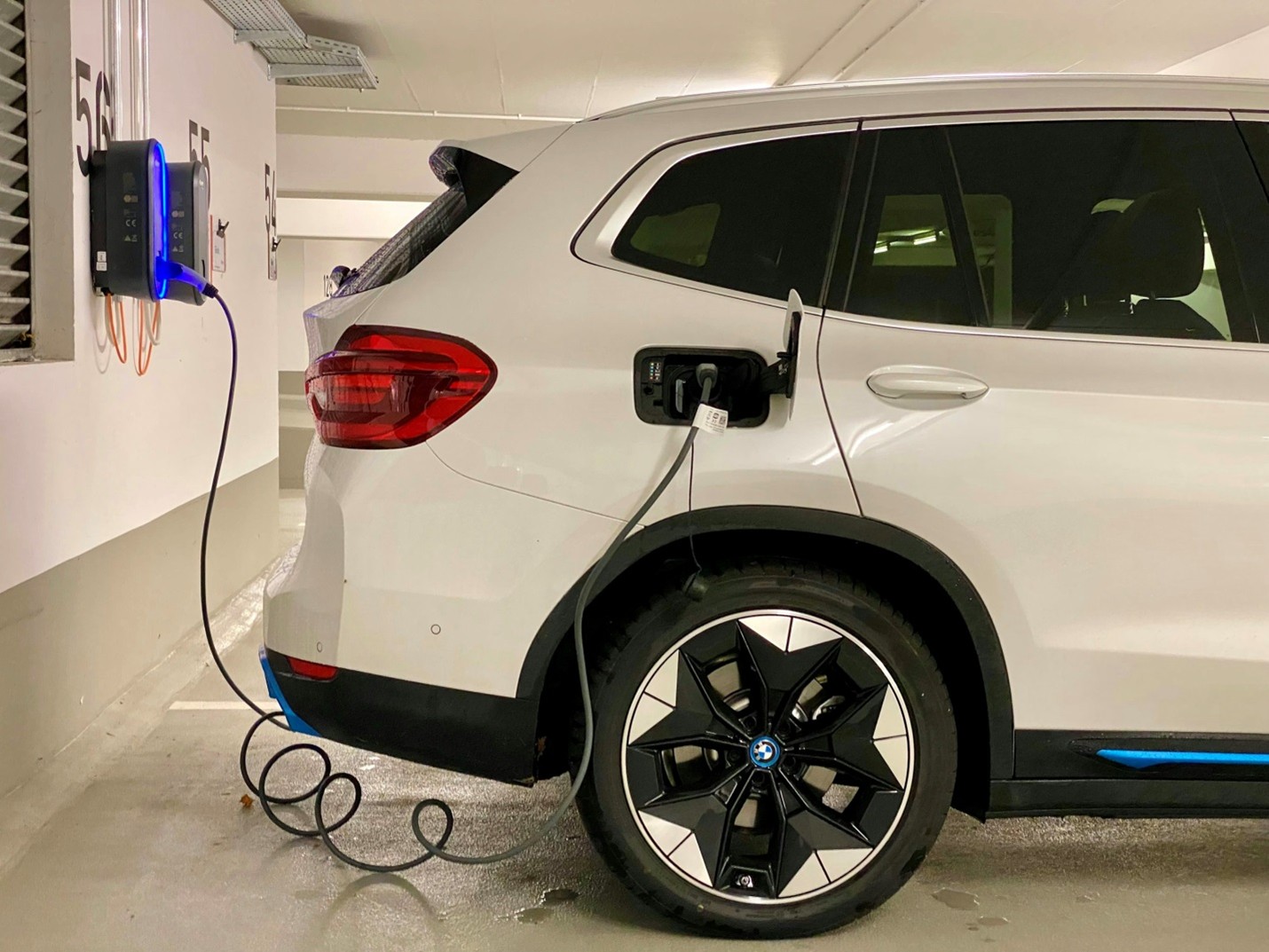
The biggest shift in 2025 is undoubtedly the rise of electric vehicles (EVs). What was once a niche trend has now become mainstream. From compact city EVs to high-performance electric SUVs, Indian roads are witnessing a quiet but powerful transformation.
Consumers are now more aware of environmental impact and long-term savings. Affordable EV models, expanding charging networks, and government incentives are making electric mobility accessible to the masses. Cities like Bengaluru, Hyderabad, and Pune are leading the charge — quite literally — in adopting electric two-wheelers and compact EV cars.
The electric revolution is no longer about luxury; it’s about smart, sustainable mobility for everyone.
2. The Rise of Tech-Savvy Cars
Today’s car buyers want more than just horsepower — they want smart power. Connected cars are becoming the new standard, equipped with voice assistants, real-time tracking, automatic emergency response, and AI-powered dashboards.
In 2025, vehicles are no longer just modes of transport; they’re becoming digital companions. Features like over-the-air updates, predictive maintenance alerts, and in-car entertainment powered by 5G are redefining the driving experience. Automakers are focusing on seamless integration between car and smartphone, creating an ecosystem of comfort and control.
3. Growing Popularity of SUVs and Compact Cars
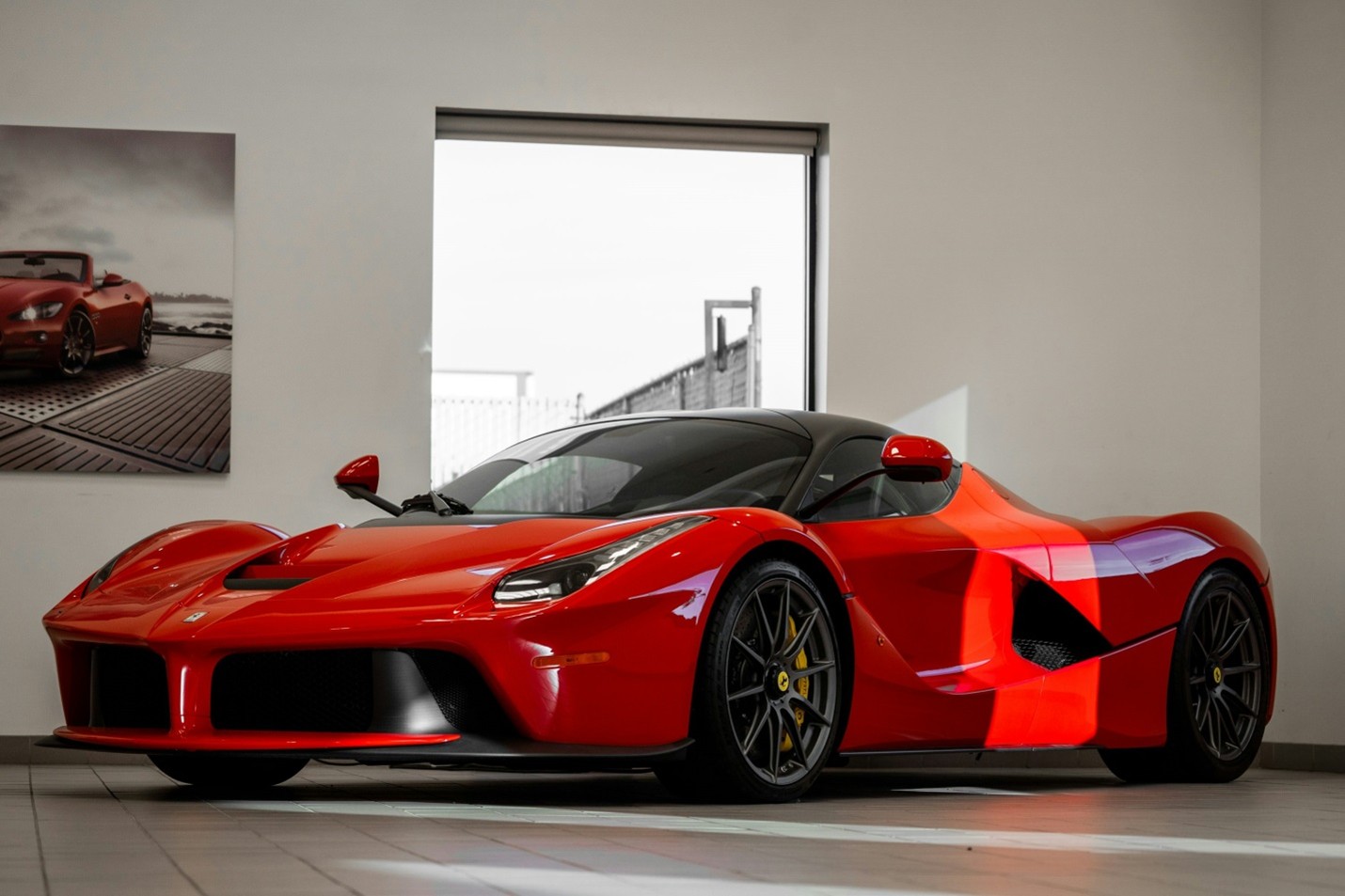
Indian consumers are known for their practicality, and this is reflected in their vehicle choices. SUVs continue to dominate sales, thanks to their design, comfort, and suitability for Indian roads. Compact SUVs and crossover vehicles are especially popular among young professionals and families who want a mix of power and affordability.
At the same time, compact hatchbacks and budget-friendly cars remain strong contenders in Tier 2 and Tier 3 cities, where practicality and mileage take precedence over luxury. The balance between style, performance, and fuel efficiency is what drives the Indian buyer’s decision.
4. Two-Wheeler Evolution: Electric and Efficient
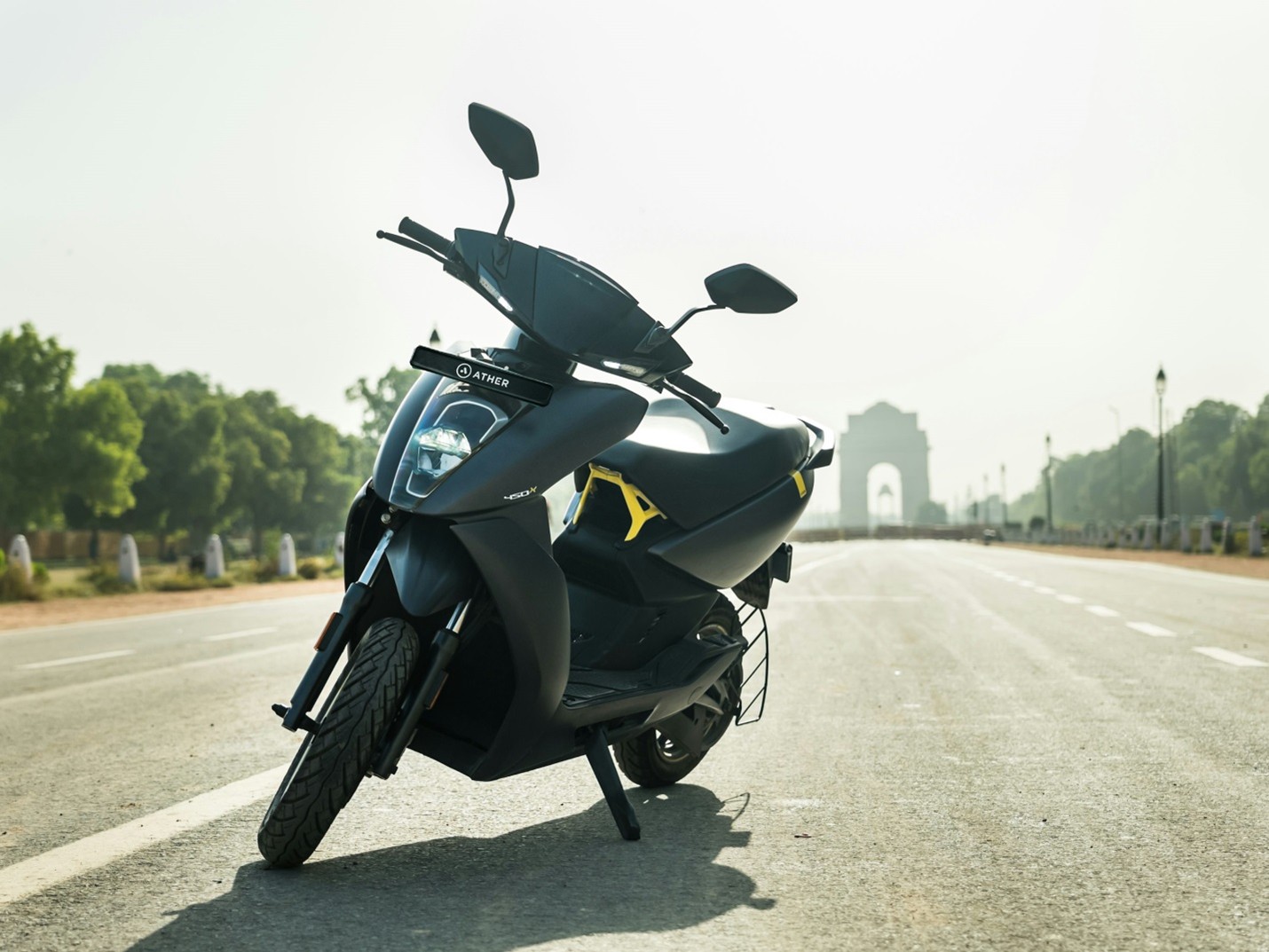
India’s love affair with two-wheelers remains unshaken. In 2025, electric scooters and motorcycles are seeing record demand. Rising fuel prices, better battery range, and stylish designs are pushing more consumers to switch to e-bikes.
Brands are competing to offer performance with sustainability — focusing on speed, quick charging, and affordability. For millions of Indians, two-wheelers aren’t just vehicles; they’re a way of life — and now, a greener one.
5. Sustainable Manufacturing and Green Innovation
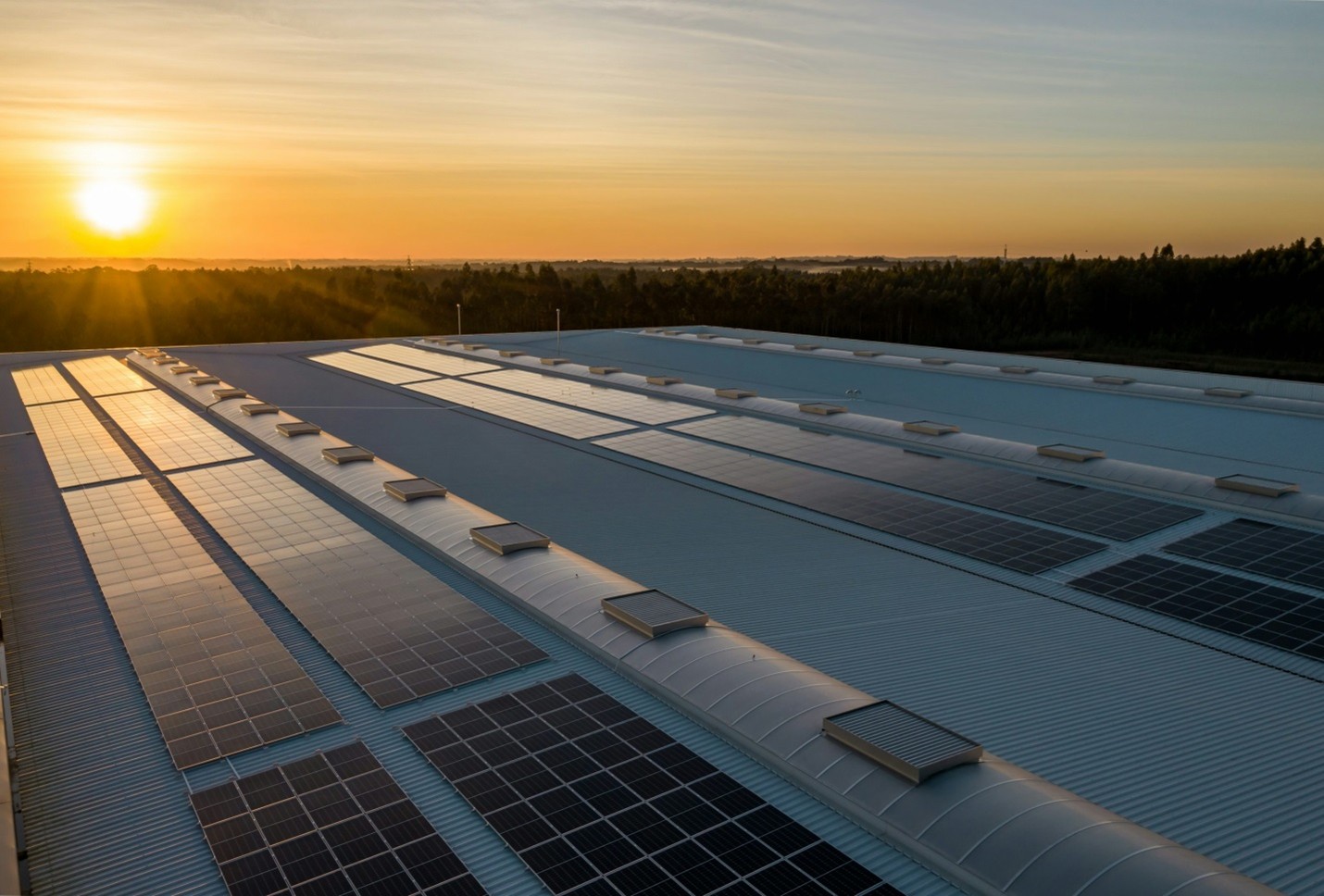
Automobile manufacturers in India are increasingly investing in eco-friendly production. From recycled materials in interiors to solar-powered factories, the focus is shifting to sustainability across the value chain.
Consumers too are becoming conscious of where and how their vehicles are made. The “Make in India” initiative, combined with global partnerships, is giving rise to homegrown innovations in battery technology, lightweight design, and emission-free engines.
The Road Ahead
India’s automobile market in 2025 is defined by transformation — not just in technology, but in mindset. Consumers are more informed, more conscious, and more connected than ever before.
What once started as a race for power and price has now evolved into a movement for purpose and performance. The modern Indian buyer wants a car or bike that’s smart, sustainable, and socially responsible.
As automakers adapt to this changing landscape, one thing is clear — the future of mobility in India isn’t just fast or futuristic; it’s meaningful.