Artificial Intelligence is no longer a futuristic concept reserved for tech labs and science fiction movies. It is now a part of everyday life — from smartphones that predict your next move to cars that drive themselves. As AI continues to evolve, its influence on how we work, learn, travel, and even make decisions is becoming more powerful and personal.
In 2025, the next wave of AI innovations is set to transform daily living in ways that are smarter, faster, and more human-centered. Experts believe that the coming years will mark a major shift — not just in technology, but in the way people interact with it.
Smarter Personal Assistants
AI-powered assistants like Google Assistant, Siri, and Alexa are about to become far more intelligent and proactive. New-generation models can understand emotions, tone, and context — not just commands. These assistants will soon be able to handle multi-step tasks such as planning a family vacation, managing work schedules, or even suggesting healthier routines based on your sleep and diet patterns.
Imagine waking up to an AI that not only reads your emails but also reminds you to drink water, orders groceries, and adjusts your home temperature — all based on your preferences. This evolution will make AI assistants more like digital companions than simple voice bots.
AI in Healthcare and Fitness
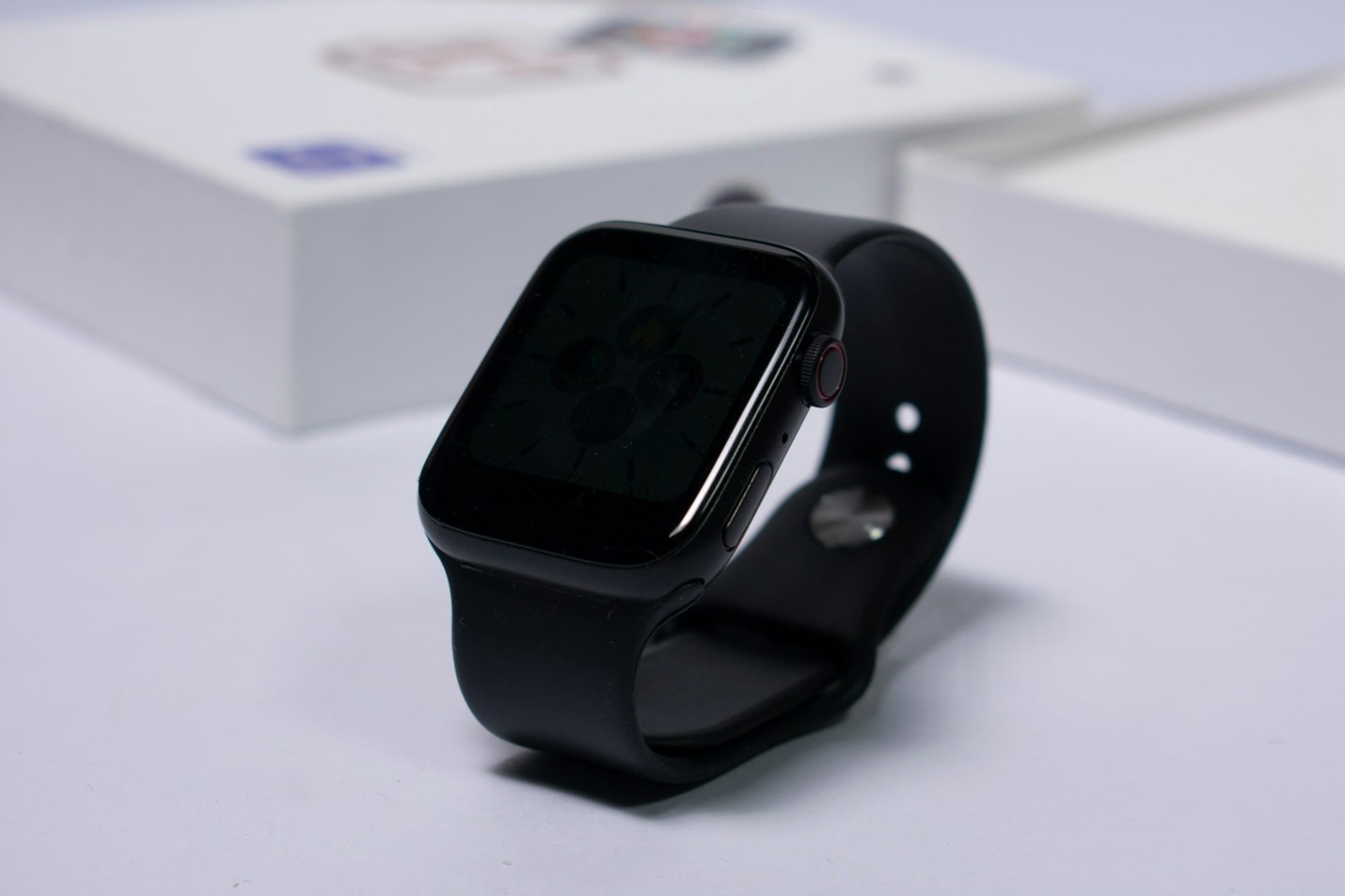
Healthcare is one of the biggest beneficiaries of artificial intelligence. With AI-powered diagnostics and wearable health devices, early detection of diseases has become more accurate and accessible. Smartwatches can now track heart rhythm irregularities, stress levels, and even blood sugar indicators, sending alerts to both the user and doctors when something seems off.
In hospitals, AI is assisting radiologists in detecting tumors faster, predicting patient recovery rates, and improving overall treatment plans. On a personal level, AI-driven health apps are learning from users’ behaviors to provide personalized fitness routines, mental health support, and nutrition advice.
Experts say that the goal is not to replace doctors, but to make healthcare more predictive, preventive, and personalized.
AI in Education and Learning
Classrooms are also being reshaped by artificial intelligence. Virtual tutors and adaptive learning platforms are helping students learn at their own pace. These systems analyze a student’s progress and suggest topics that need revision, making education more customized than ever before.
For example, an AI-powered app can identify whether a student struggles with math or grammar and tailor exercises to strengthen weak areas. Teachers, too, are using AI tools to automate grading, track attendance, and create engaging lesson plans.
The rise of AI in education ensures that learning becomes a continuous, data-driven process rather than a one-size-fits-all model.
AI in Transportation
Self-driving technology is no longer a dream. Companies across the world are testing autonomous cars and delivery drones designed to make transportation safer and more efficient. AI algorithms are helping vehicles detect obstacles, manage routes, and respond to unpredictable road situations.
In public transport, AI systems are being used to manage traffic flow, predict congestion, and reduce fuel consumption. Smart city projects in India and abroad are already using AI to improve transport connectivity and minimize travel time.
Within the next few years, AI-driven systems may make traffic lights smarter, buses more punctual, and travel far smoother than what we experience today.
AI at Home and Work
The impact of AI in homes and workplaces is perhaps the most visible. Smart appliances like refrigerators that suggest recipes, washing machines that adjust cycles automatically, and home security systems that recognize familiar faces are already part of many modern households.
In offices, AI is streamlining productivity. From scheduling meetings to summarizing emails, AI tools are saving time and reducing stress for employees. Content creation, customer service, and even software development are now powered by intelligent automation tools that learn and adapt.
Experts predict that the future of work will not be man versus machine, but man working with machine — where AI handles routine tasks and humans focus on creativity, empathy, and problem-solving.
Ethical AI and Human Connection
While the rise of artificial intelligence brings excitement, it also raises ethical questions about privacy, data control, and human dependency. Experts emphasize the need for responsible AI — technology that prioritizes fairness, transparency, and security.
Governments and tech companies are now working to set global standards for AI ethics to ensure innovation remains safe and inclusive. The idea is simple: AI should empower people, not overpower them.
The Future Ahead
The next phase of AI is not about replacing human intelligence but enhancing it. As these technologies integrate more deeply into our daily lives, they will simplify decisions, improve well-being, and create new opportunities for growth.
“Artificial Intelligence is not about machines thinking like humans,” says technology researcher Anirudh Menon. “It’s about machines helping humans think better.”
From your kitchen to your classroom, from your car to your workplace, AI is quietly shaping a world where convenience meets intelligence. The future is not coming — it is already here, woven into the rhythm of everyday life.