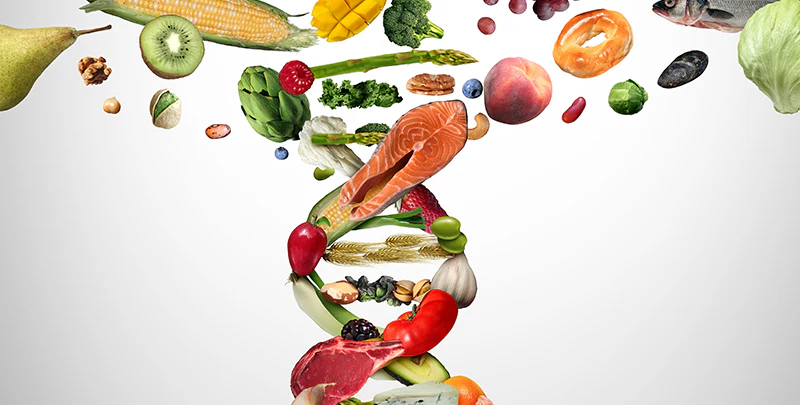
The world of nutrition is evolving rapidly, and functional foods sit right at the center of this transformation. These are foods that offer more than basic nourishment — they provide added health benefits that support immunity, digestion, brain function, heart health, and overall well-being. As people become more conscious of what they consume, functional foods are becoming a powerful lifestyle choice for individuals seeking long-term wellness.
Functional foods include ingredients like turmeric, chia seeds, quinoa, spirulina, probiotics, prebiotics, millets, omega-3 rich foods, fortified beverages, and antioxidant-packed fruits. These ingredients deliver natural healing properties, making everyday meals healthier and more purposeful. For example, turmeric supports anti-inflammatory functions, while probiotics enhance gut health — which is now known to influence immunity, mood, and metabolism.
One major reason behind the rise of functional foods is the growing awareness around preventive health. Instead of relying solely on medicine after falling ill, people are taking proactive steps by consuming foods that protect their bodies early on. This shift reflects a deeper understanding of the connection between diet, lifestyle, and long-term health.
The fast-paced modern lifestyle has also made functional foods highly appealing. People want nutritious options that are easy to consume, convenient to carry, and simple to integrate into daily routines. Ready-to-drink probiotic shots, fortified cereals, protein bars, vitamin-infused snacks, and healthy beverages are becoming popular across urban markets.
Another strong driver is the global movement towards natural and clean-label products. Consumers are reading labels more carefully, avoiding artificial additives, and choosing foods with clear, simple, and wholesome ingredients. Brands are responding by innovating with plant-based proteins, organic superfoods, and sustainable ingredients that align with customer values.
Functional foods also support specific goals like weight management, improved energy, enhanced skin health, better focus, and stronger immunity. This personalised approach to nutrition resonates with people who want tailored solutions rather than generic diets. Health apps and wearables further enhance this trend by offering data-driven insights that help people choose foods suited to their body’s needs.
In the future, the functional food industry will continue to expand through innovation. We can expect smarter packaging, precision nutrition, AI-powered diet recommendations, and foods designed to support mental wellness — an area gaining significant attention globally.
Functional foods are not just a trend; they represent a movement towards mindful eating and self-care. They empower individuals to take control of their health through thoughtful choices rooted in nature and science. As awareness grows, these supercharged ingredients will play a key role in building a healthier tomorrow.