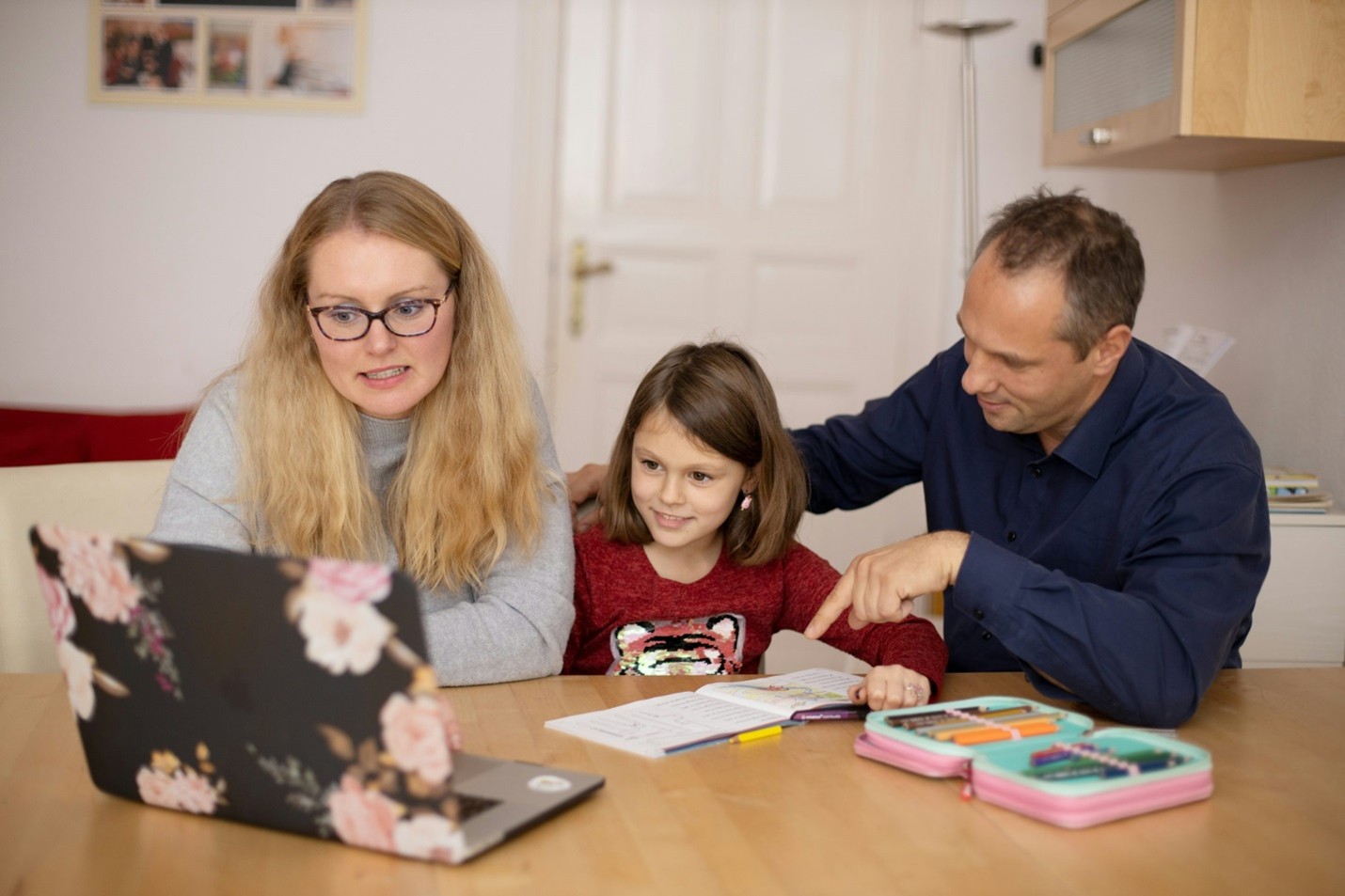
Home schooling, once considered an unconventional choice, is now emerging as a mainstream trend across the world. Parents are increasingly drawn to the idea of customizing education based on their children’s pace, personality, and learning style. With digital tools, flexible curriculums, and global access to knowledge, home schooling offers a fresh, modern approach to learning that many see as more relevant to today’s world.
One of the biggest factors driving this trend is the shift in how families perceive education. Traditional schooling often follows a rigid structure, offering limited room for creativity and exploration. In contrast, home schooling allows children to dive deeper into subjects they are passionate about — whether it’s robotics, creative writing, art, music, or environmental science. Parents appreciate the ability to give their children a holistic education that prioritizes curiosity and personal growth over rote memorization.
Technology has played a major role in boosting the rise of home schooling. Online platforms now offer interactive lessons, virtual labs, global classrooms, and personalised assessments. Children can attend live sessions led by expert educators from different countries, collaborate on projects with peers, and access study materials tailored to their academic level. For many families, this combination of tech-enabled learning with at-home comfort gives children the best of both worlds.
Safety and mental well-being are additional reasons behind the home-schooling boom. Many parents feel that a home environment minimizes bullying, peer pressure, and excessive competition. Instead, home schooling supports emotional security, allowing children to learn with confidence and without fear of comparison. This often results in greater self-awareness, better communication skills, and a stronger sense of identity.
Flexibility is another major advantage. Home schooling allows families to create personalized routines that fit around travel, work, and lifestyle choices. Learning can happen in parks, museums, libraries, farms, or even during family trips — making education dynamic and experiential. For children pursuing professional sports, arts, or early entrepreneurship, home schooling provides the time needed to hone their skills without compromising academics.
However, it’s important to note that home schooling demands involvement, structure, and discipline from parents. Many families choose hybrid options — combining home education with mentorship programs, community learning groups, or part-time schooling. Social interaction is ensured through sports clubs, workshops, hobby classes, and peer meetups.
As the world continues to shift towards personalised learning, home schooling is likely to become an even stronger trend. It offers children the freedom to learn their way, at their pace, and in an environment that nurtures individuality. With growing awareness, accessible technology, and flexible curriculums, home schooling is shaping a new era of education — one where creativity, curiosity, and confidence take center stage.