Across continents and cuisines, few dishes have managed to balance simplicity, taste, and health quite like the humble idli. Once a breakfast staple in South India, idli has now found its way onto global menus — from vegan cafés in London to wellness retreats in Bali. Its gentle flavor, easy digestibility, and nourishing qualities have made it not just a dish, but a global symbol of mindful eating.
A Journey from Tradition to Trend
The origins of idli trace back over a thousand years, with references in ancient Tamil and Kannada texts describing a dish made from fermented grains. While historians debate whether its roots lie in India or were inspired by Southeast Asian fermented foods, one thing is certain — the idli we know today, made from fermented rice and urad dal, is a masterpiece of South Indian culinary heritage.
Over time, idli became an inseparable part of Indian breakfasts, symbolizing comfort, purity, and simplicity. Every region added its own version — from Kanchipuram idli with spices to Mallige idli known for its cloud-like softness. Today, it has evolved into an international favorite, appreciated for its health benefits and adaptability to modern lifestyles.
The Science Behind the Simplicity
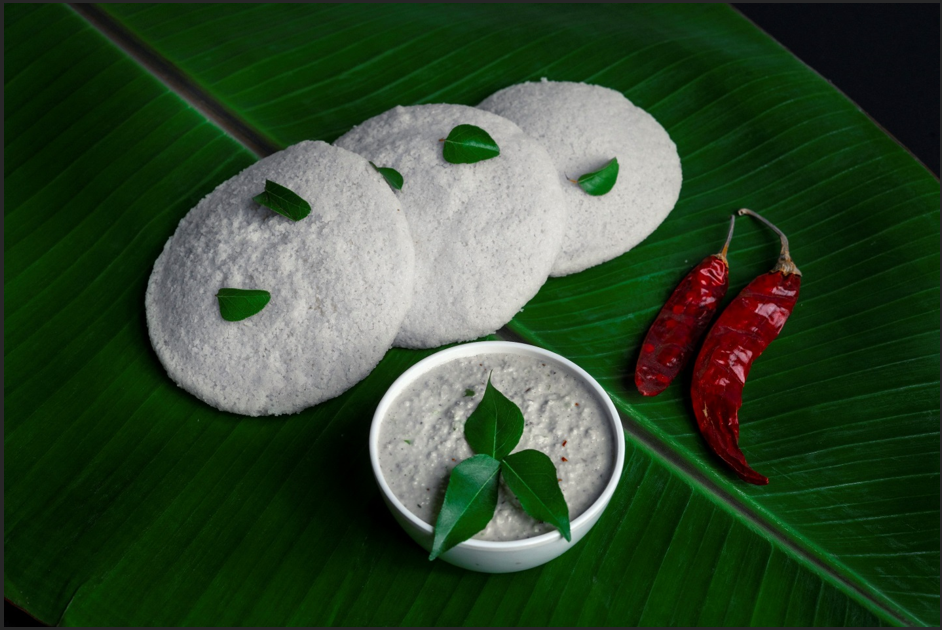
At first glance, idli seems incredibly simple — a soft, steamed rice cake served with chutney and sambar. But behind that simplicity lies an intelligent food science. The batter of soaked rice and urad dal is left to ferment overnight, allowing natural bacteria to enhance its flavor, texture, and nutritional profile.
When steamed, the result is light, fluffy, and full of subtle tang. Fermentation not only boosts gut health but also improves protein and vitamin content. Because idlis are steamed, they retain nutrients that are often lost in fried foods — making them one of the healthiest dishes in Indian cuisine.
A Nutritional Powerhouse
Every bite of idli delivers a perfect balance of carbohydrates, proteins, and fiber. Here’s why you should make it part of your everyday diet:
- Gut-Friendly Fermentation: The good bacteria produced during fermentation promote a healthy digestive system and improve nutrient absorption.
- Light Yet Energizing: Idlis keep you full for longer without feeling heavy — ideal for a morning boost or post-workout recovery.
- Low in Fat, High in Nutrition: Being steamed, idlis are virtually oil-free, making them heart-friendly and suitable for all age groups.
- Naturally Gluten-Free: Perfect for those with gluten sensitivities, idlis are gentle on the stomach and easy to digest.
- Complete Meal: Pair it with sambar for proteins and vegetables, and chutney for healthy fats — a perfectly balanced plate.
From Home Kitchens to Global Tables
What makes idli truly remarkable is its versatility. Traditional rice idlis now share the stage with innovative versions like ragi idli, quinoa idli, oats idli, and even beetroot idli. In global kitchens, chefs are reinventing it with avocado toppings, hummus dips, and spicy sauces. The once humble idli has become a modern culinary icon — elegant enough for fine dining and simple enough for daily meals.
Even abroad, Indian communities have turned idli into a comfort food that transcends culture. Ready-to-cook mixes and frozen idlis have made it a global pantry essential. Whether in a Mumbai home or a Manhattan apartment, idli continues to connect people through the warmth of shared tradition.
Why Idli Belongs in Your Everyday Diet
In an age of processed snacks and fast food, idli stands as a timeless example of balance and nourishment. It offers what modern diets often miss — a combination of energy, lightness, and satisfaction. Making idli part of your daily meals can improve digestion, support heart health, and maintain energy levels throughout the day.
Beyond its nutritional value, idli carries emotional warmth — a taste of home, tradition, and simplicity. It reminds us that the best foods are often those made with patience, balance, and love.
So, the next time you plan your breakfast, skip the sugary cereal or deep-fried snack. Steam a few soft idlis, add coconut chutney and sambar, and enjoy a meal that’s not just delicious but deeply rooted in Indian wisdom — and now celebrated worldwide.