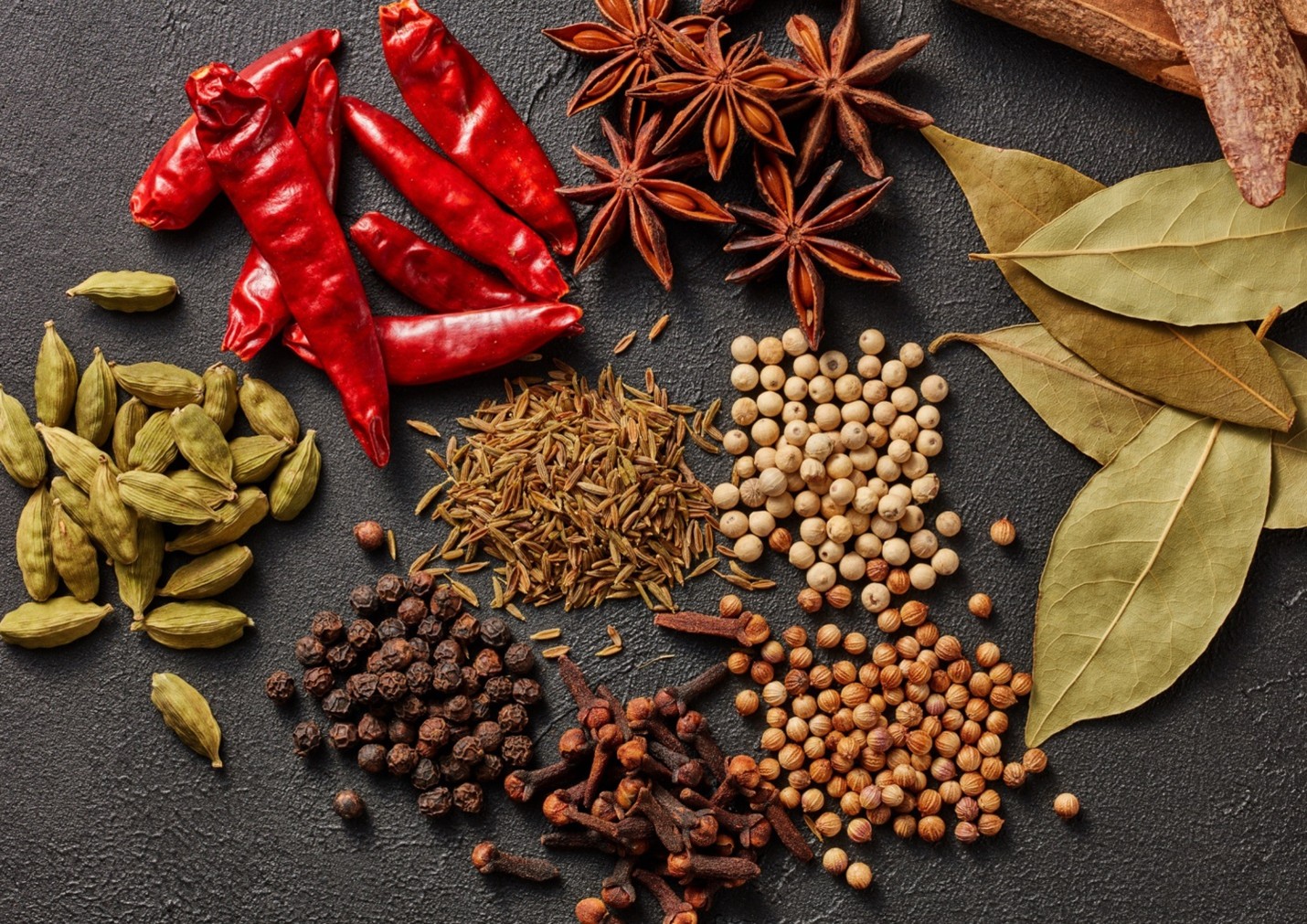
In every Indian kitchen, there’s a secret treasure chest — a spice box. Bright, aromatic, and full of magic, these tiny ingredients do more than just add flavor. They heal, protect, and energize. From turmeric’s golden glow to cumin’s earthy warmth, Indian spices are not only the heart of our cuisine but also the soul of our traditional medicine.
For centuries, Indian households have used spices not just to cook, but to care. They’ve been part of our culture long before modern medicine and still remain one of the most powerful and natural ways to stay healthy.
The Legacy of Healing Through Food
Indian spices are deeply rooted in Ayurveda — one of the world’s oldest holistic healing systems. According to Ayurvedic principles, food is medicine, and spices are its most potent form.
Each spice carries unique healing properties. They help balance the body’s internal energies, improve digestion, boost immunity, and calm the mind. What’s remarkable is how these benefits are woven seamlessly into our everyday meals.
We don’t just season food — we season health.
Turmeric – The Golden Healer
If there’s one spice that defines Indian wellness, it’s turmeric. Known for its powerful anti-inflammatory and antioxidant properties, turmeric is nature’s answer to countless health issues.
Curcumin, the active compound in turmeric, supports immunity, reduces joint pain, and promotes glowing skin. No wonder a glass of haldi doodh (turmeric milk) has become a global health trend under the name “golden latte.”
From ancient remedies to modern wellness drinks, turmeric continues to prove that real healing begins in the kitchen.
Cumin – The Digestive Wonder
Cumin, or jeera, is a humble but mighty spice found in nearly every Indian dish. It aids digestion, improves metabolism, and helps detoxify the body.
Drinking jeera water early in the morning is a time-tested home remedy for bloating and stomach discomfort. Cumin also contains antioxidants that support the liver and strengthen the immune system.
It’s the perfect example of how something simple can be profoundly effective.
Cinnamon – The Sweet Protector
With its warm aroma and naturally sweet taste, cinnamon (dalchini) does more than flavor desserts — it regulates blood sugar levels, improves heart health, and boosts brain function.
A pinch of cinnamon in your tea or smoothie can help maintain energy levels and reduce sugar cravings. It’s one of the most loved spices not only for its taste but also for its therapeutic power.
Cardamom – The Queen of Spices
Known for its fragrance and digestive benefits, cardamom (elaichi) is often called the queen of Indian spices. It freshens breath, improves digestion, and helps reduce acidity.
It’s also known to calm the nervous system, which is why cardamom tea is often recommended for stress relief. Whether added to sweets or chai, its aroma brings instant comfort and peace.
Cloves, Black Pepper, and More
Cloves (laung) have antiseptic and pain-relieving properties, making them a traditional remedy for toothaches and sore throats.
Black pepper (kali mirch) boosts nutrient absorption and acts as a natural immunity booster, especially when paired with turmeric.
Fenugreek (methi) supports healthy blood sugar levels and strengthens the digestive system.
Every spice in an Indian kitchen has a purpose — nothing is random. Together, they form a natural pharmacy that keeps the body balanced and strong.
Food as Medicine
The wisdom of Indian cooking lies in its balance — flavor, nutrition, and healing in one meal. Unlike synthetic supplements, spices heal gradually, gently aligning the body and mind.
As modern wellness trends circle back to ancient roots, the world is finally recognizing what India has known for centuries — the path to health begins with everyday food.
So the next time you add a dash of turmeric, a sprinkle of cumin, or a pod of cardamom, remember — you’re not just cooking. You’re nourishing. You’re healing. You’re continuing a legacy that turns every meal into medicine.