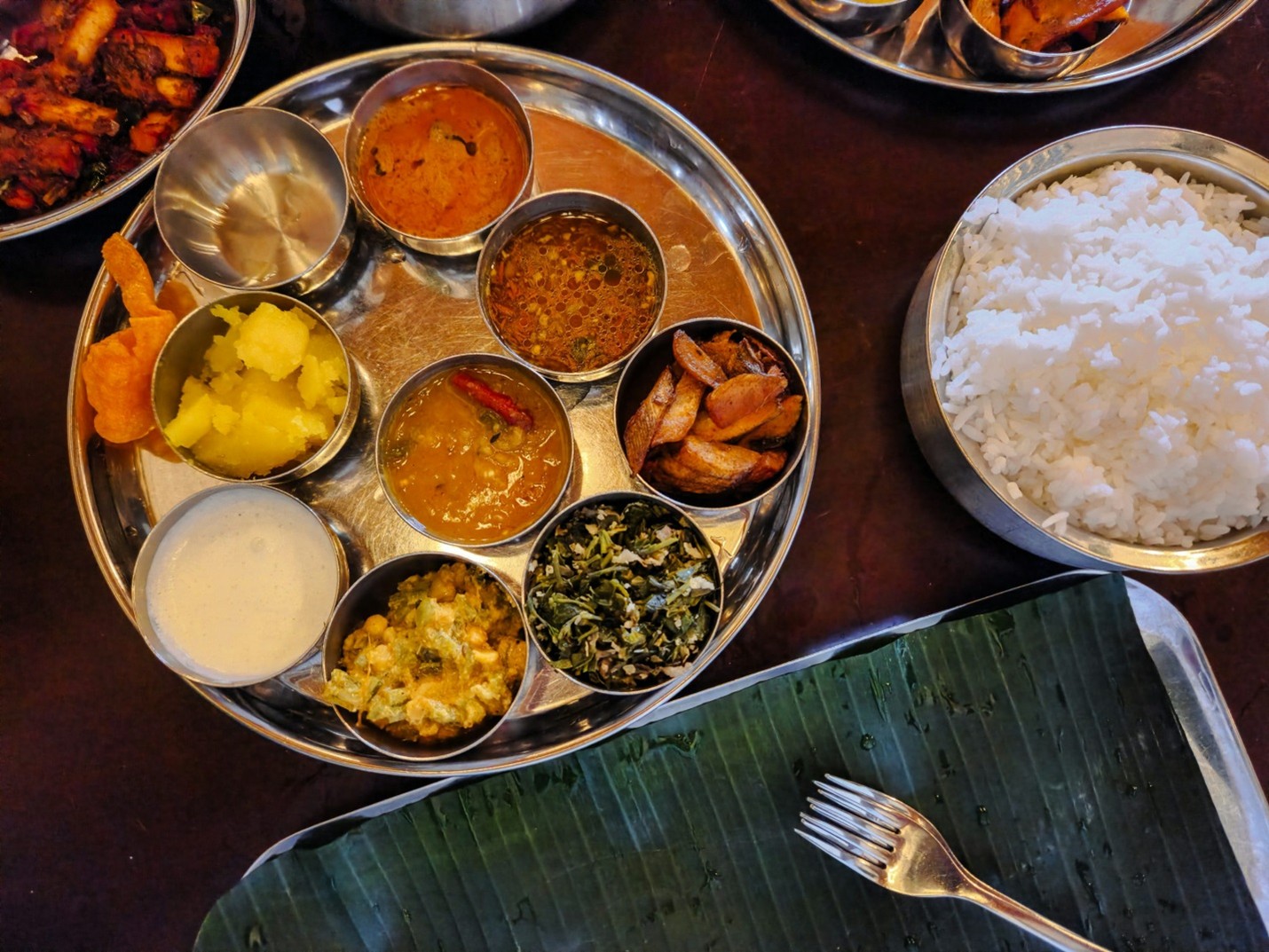
India’s cuisine has always been known for its richness, diversity, and history — but in 2025, it has moved beyond cultural boundaries to become a global culinary trend. Traditional Indian foods are no longer just part of Indian restaurants abroad; they’re appearing in supermarkets, e-commerce platforms, and Michelin-star kitchens across the world.
From fragrant basmati rice to bold masala blends, ancient grains, and ready-to-eat Indian meals — the world is falling in love with the depth and authenticity of Indian flavours. Let’s explore how traditional Indian foods are making waves across international markets and why this movement represents more than just taste — it’s India’s story told through food.
Global consumers today crave more than just convenience; they want authenticity, wellness, and stories behind food. Indian cuisine fits this demand perfectly. It offers bold flavours, natural ingredients, and a balance of spices known for both taste and health benefits.
According to a 2025 ethnic food market report, Indian cuisine has become one of the fastest-growing food categories worldwide. Supermarkets in the US, UK, and the Middle East now dedicate full aisles to Indian products — from pickles and chutneys to ghee, papad, and spice kits.
This rise is also powered by the Indian diaspora and younger generations of global consumers eager to explore traditional yet health-conscious cuisine.
• Basmati Rice and Regional Grains
Basmati rice remains India’s flagship export — loved globally for its aroma and quality. However, 2025 has also seen the rise of regional grains like red rice, black rice, and millets from South India. With the growing global focus on sustainable and gluten-free options, Indian heritage grains are finding new markets in Europe and North America.
• Indian Spices and Blends
From turmeric and cumin to garam masala and panch phoron, Indian spices have been global treasures for centuries. What’s new in 2025 is the demand for traceable and organic spices, where consumers want to know the region, the farmer, and the story behind the spice. Small Indian brands offering single-origin masalas and eco-friendly packaging are becoming international favourites.
• Ready-to-Eat Indian Meals
The modern consumer wants tradition with convenience. Ready-to-eat Indian curries, frozen parathas, biryanis, and spice pastes are booming worldwide. Indian food brands like MTR, ITC, and regional startups are using advanced packaging and technology to keep authentic flavour alive for global kitchens.
• Indian Snacks and Street Food
Street-style Indian snacks like chaat, bhel, and samosas are gaining a cult following. Startups are exporting these as packaged snack kits or frozen ready-to-fry options. The “Indian snacking wave” is becoming a global trend — especially among young, adventurous consumers.
There are clear reasons behind India’s growing food footprint:
- Cultural storytelling: Every Indian dish has a story — whether it’s from a small village or a royal kitchen.
- Health-driven ingredients: Spices like turmeric and cumin are recognized globally for their health benefits.
- Adaptability: Indian flavours blend easily with global cuisines, creating exciting fusion dishes.
- Technology in food processing: Better preservation methods ensure longer shelf life without compromising authenticity.
For Indian food entrepreneurs, this moment is golden — but it comes with challenges.
To succeed globally, brands must focus on quality standards, sustainable sourcing, clear labelling, and storytelling.
Global consumers are curious but cautious, preferring transparent brands with clean ingredients.
Startups that highlight origin — like “sourced from Kerala’s spice farms” or “crafted with Telangana millet” — stand out instantly.
Traditional Indian food has finally found its well-deserved place in the global culinary map. In 2025, it’s not just about taste — it’s about identity, heritage, and innovation.
From Indian kitchens to global shelves, every product tells a story — of culture, craftsmanship, and care. As the world embraces authentic Indian flavours, it’s clear that India’s next big export is not just technology — it’s tradition served on a plate.
Sources:
Ethnic Food Market Report 2025, Farah Impex Insights, Spherical Insights Research, The Grey Cells Food Trend Analysis, Indian Export Council Reports 2025